About

about us

Our History

African Ecological Restoration Foundation (AERF) is a non-profit organization that was registered in Nigeria on October 2nd, 2008. AERF is concerned about climate change and Africa’s rising deforestation levels, declining biodiversity, worsening ecological problems, and the imperatives of using Ecological Restoration to restore Africa’s depleted flora and fauna species, habitats, ecosystems and biomes. The Society for Ecological Restoration maintains that ecological restoration is an intentional activity that initiates or accelerates the recovery of an ecosystem with respect to ecological progression back to its original health, integrity and sustainability (SER, 2007).

Ecological restoration seeks to recreate an ecosystem as close as possible to that which originally existed at a particular site prior to natural or human disturbance. International initiatives like the 2005 UN Millennium ECOSYSTEMS ASSESSMENT REPORT and the failure of afforestation and reforestation schemes around the world to adequately sequester carbon and restore biodiversity (due to single species or monoculture plantation establishment), culminated in the preference for, and popularity of a new forest restoration strategy: ECOLOGICAL RESTORATION.

In a joint statement in 2007, the Society for Ecological Restoration (SER), and the Ecological Society of America (ESA), maintain that biologically diverse ecosystems (outcomes of ecological restoration) mitigate climate change and offer our planet Earth and mankind, better environmental services than monocultures or single species ecosystems.


Our Mission

To sensitize and catalyze biodiversity conservation and ecological (ecosystems) restoration projects and programs across Africa through ecological education, advocacy, demonstration projects, and environmental stakeholders’ mobilization towards effective participation (e.g. Government, Private Sector, Local Communities, International Development Agencies and Donors). 

What we do

Our Programs

Coastal, Marine, Mangrove Restoration

Coastal vegetation, especially mangrove is being harvested for firewood, or cleared for other purposes e.g. aquaculture, and oil and gas activities.

Wetland Restoration

Examples of wetlands include: (i) estuarine (including deltas, tidal marshes and mudflats, and mangrove swamps).

Tropical Forest Restoration

Tropical rainforests are the most species rich natural environments on Earth. 75% of the Earth’s biodiversity is found in the tropics. Africa has the highest deforestation rate (4%) and the lowest reforestation rate (2%) in the world.


Grassland, Shrubland, Desert Restoration

Several countries in sub Saharan Africa are facing desertification problem hinging on Sahara Desert encroachment.

Wildlife Restoration

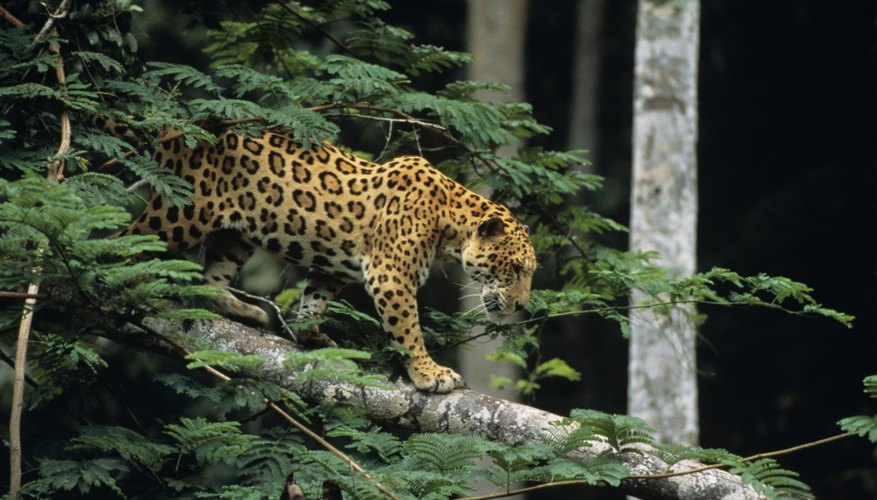
The IUCN website on Species Red list alerts the world on the growing number of extinct, endangered and threatened flora and fauna species in different African nations.

Urban ecology (ecosystem) restoration activities

Vasishth (2015) posits that urban areas are 2.5 to 5 degrees Celsius warmer than their surrounding countryside. Urban development ecologization or nature mainstreaming in urban development is at it’s lowest ebb in Africa.

Our Vision

To mitigate climate change impacts and enhance sustainable development in Africa through biodiversity conservation and ecological (ecosystems) restoration.

Nullam quis risus eget urna mollis ornare vel eu leo. Aenean lacinia bibendum nulla sed 

Subscribe to our newsletter

Sign up to receive updates, promotions, and sneak peaks of upcoming products. Plus 20% off your next order.

Promotion nulla vitae elit libero a pharetra augue